Digital Sampling and the End of the Wasted Prototype
The physical sample has always been the most expensive line in a design calendar. That is changing.
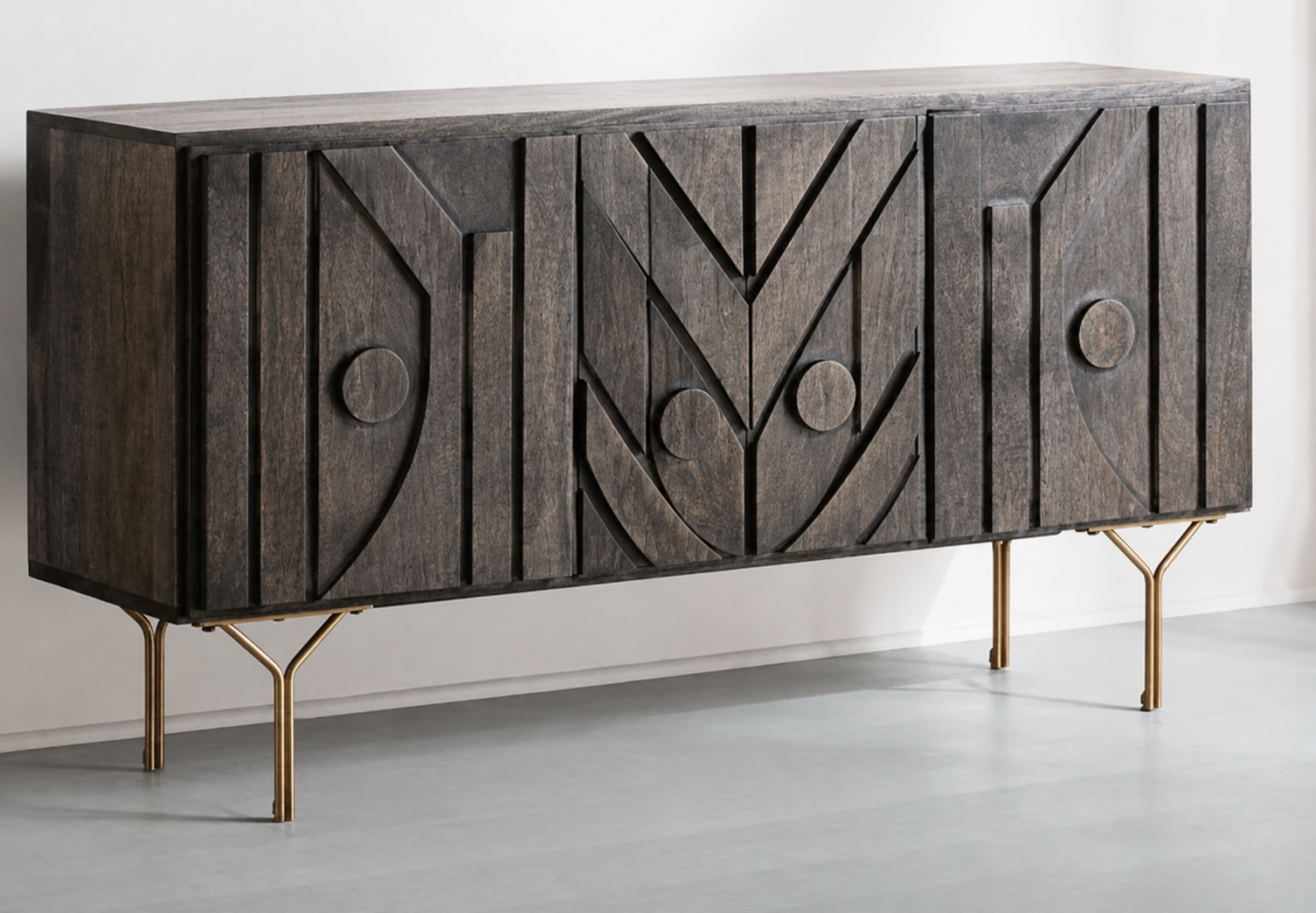
The physical sample has always been the most expensive line in a design calendar. A traditional cycle burns material, tooling, freight and weeks — and most of that spend produces information rather than product: the sleeve is wrong, the joint is weak, the colour reads differently in daylight. For a small studio, sampling cost is frequently the reason a good idea is never developed at all.
KinLabs works across furniture, objects and apparel, where the sampling problem is the same shape in every discipline: you cannot judge a thing until it exists, and making it exist is the expensive part.
What digital tooling actually changes
3D pattern development, parametric modelling, simulated drape and calibrated digital colour let a team resolve the majority of decisions before anything is cut. Proportion, ergonomics, joinery logic, grading across sizes, hardware placement, colour relationships — all of it can be interrogated on screen, shared with a maker in another country, and revised the same afternoon.
The result is not the elimination of physical samples. It is a change in their job. Samples stop being exploratory and become confirmatory: made once the hard questions have already been answered, to check the things a model cannot tell you.
Fewer, better samples — made once the hard questions are already answered.
Where simulation ends
Simulation is not truth. Hand, weight, acoustic quality, the way a finish takes light, how a drawer feels on the third pull, how a fabric behaves after a wash — these still require physical judgement, and a studio that skips that step ships disappointing product with a beautiful render. The discipline is knowing which decisions are safely digital and which are not, and being honest about the boundary.
Digital colour is the clearest example. It is reliable for relationships and terrible for absolutes; final approval still happens against a physical standard, under known light.
What it changes for a small studio
Lower iteration cost changes what is buildable. A studio can test six versions of a chair back instead of one, develop a range it could not previously afford to sample, and commit to production with far less residual risk. It also changes negotiation: arriving at a workshop with a resolved model rather than a sketch shortens the conversation and reduces the number of misunderstandings paid for in materials.
Why it matters on this continent
Freight and lead time have long penalised African studios disproportionately — every physical iteration crossing a border costs weeks and duty. Moving iteration into software removes most of that penalty. Craft, material knowledge and point of view remain the differentiators; logistics stops being the barrier to entry, which is precisely the shift the group is interested in.
KinLabs
A Nova Capital Holdings group company.
Related news
 May 30, 2026
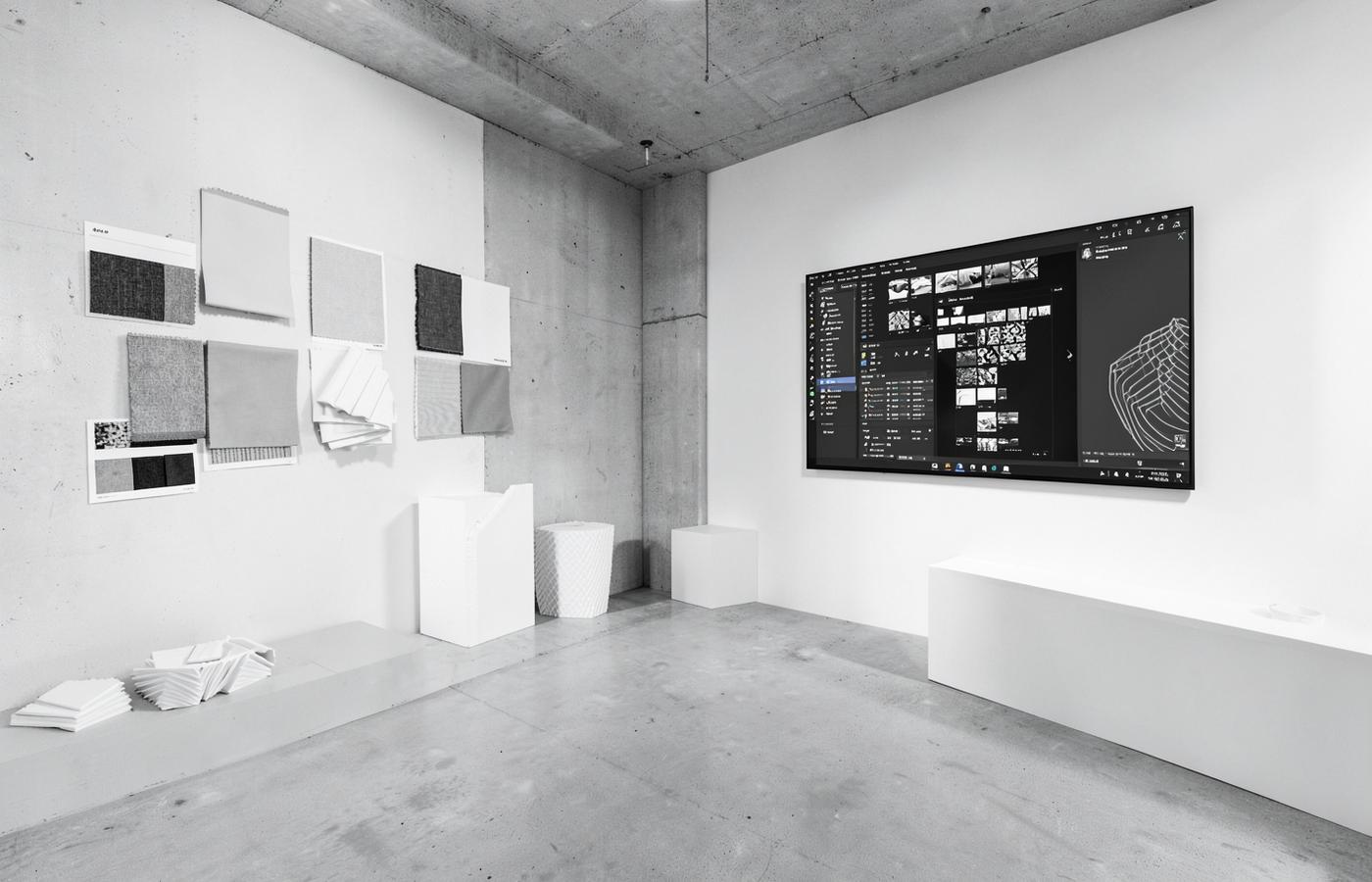
KINLAB Builds at the Intersection of Fashion, Design and Technology
Design, fashion and technology at the intersection of African identity.
Read Article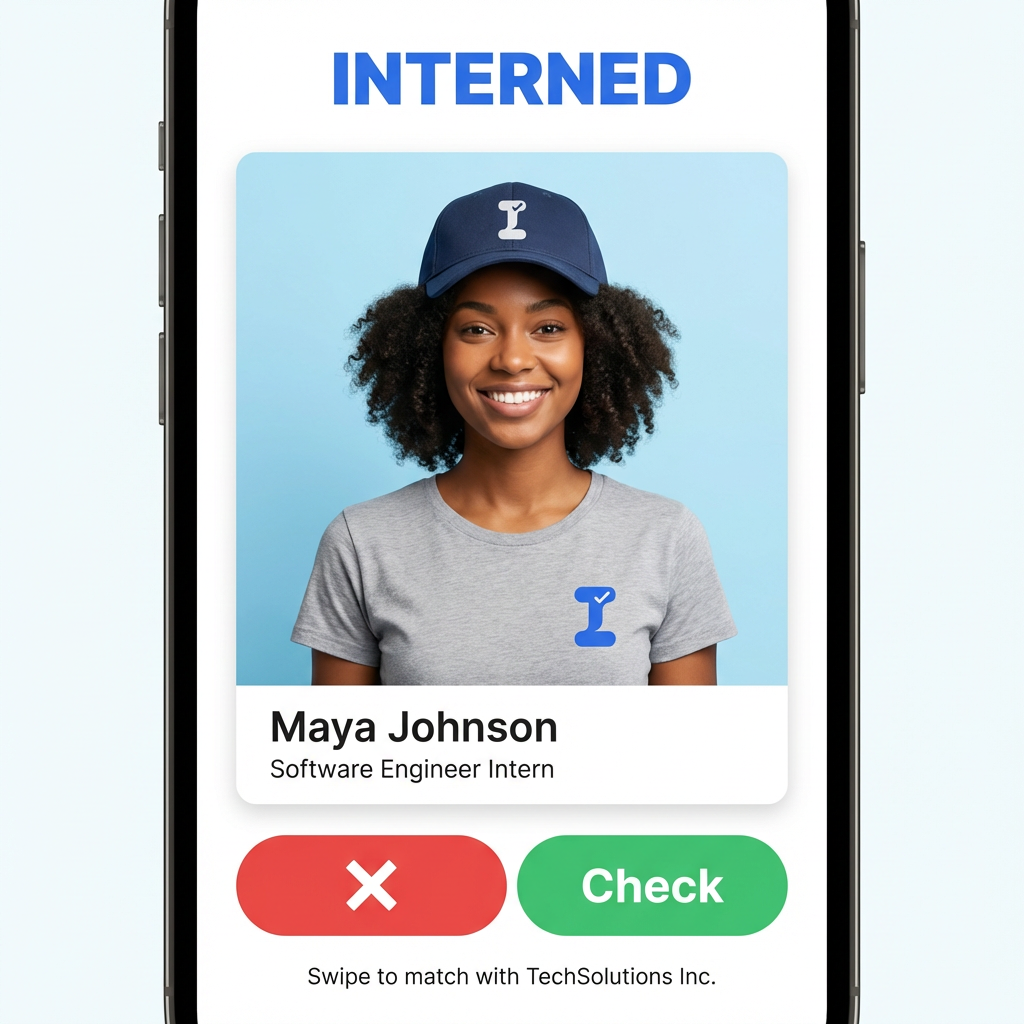 Sep 12, 2026
Interned Is Building the Route From Campus to First Job in Africa
A placement platform matching college students across the continent with real internship opportunities.
Read Article Sep 11, 2026
ShadowTeachers.io Is Building Support Around Every Learner Who Needs It
A special education needs service connecting schools and families with trained shadow teachers.
Read Article