Inclusive Design Is Just Good Product Design
Constraints clarify. Designing for users with specific sensory needs produces products that are better for everyone who uses them.
Curb cuts were built for wheelchairs and are used by everybody with a suitcase, a pram or a delivery trolley. Captions were built for deaf viewers and are now used by a large share of everyone watching video in public. The pattern repeats often enough to be treated as a design principle rather than a happy accident.
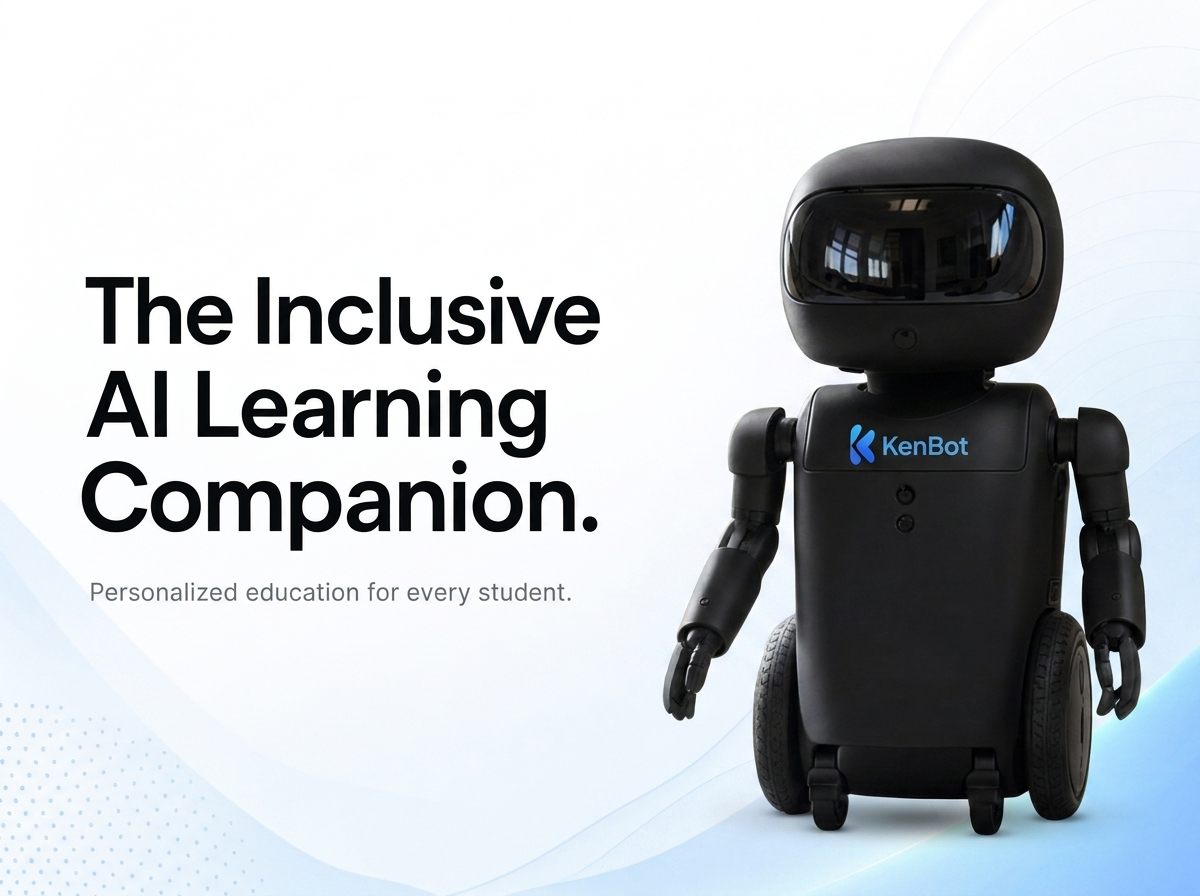
TRYBE Technologies builds for children and adults with specific sensory needs — regulation, attention, communication, and the moments when an environment becomes too much. That user is unusually intolerant of bad design, which makes them an unusually good specification.
Clarity under pressure
A product that works for a child mid-overwhelm also works for an adult who is exhausted, distracted or using it in bright sunlight on a bus. The requirements are the same: predictable layout that does not move between sessions, one obvious action per screen, low visual noise, immediate and honest feedback, and no penalty for getting something wrong. None of that is an accommodation. It is craft that most products skip because their average user can absorb the confusion.
Design for the edge and the middle comes free.
Tunability instead of assumptions
Sensory preference is not a fixed setting, and it is not a diagnosis. The same person needs different intensity on a calm morning and a hard afternoon. Products that expose intensity — volume, brightness, motion, haptics, notification frequency, session length — and let the user or carer shape it in the moment age far better than products that decide once, at install, on the user's behalf.
The same applies to output. A device that can be driven by touch, by sound and by a simple physical control reaches people that a touchscreen-only product silently excludes.
Involve the people who will use it
Testing with the actual user is non-negotiable in this category, and it looks different: shorter sessions, observation rather than interview, carers and teachers as informants, and a willingness to discard a feature the team loved because a child found it unbearable. Most of the useful findings arrive in the first ten minutes and none of them appear in analytics.
Cost is a design problem
Assistive technology is routinely priced as specialist equipment, which puts it out of reach of the families and schools who need it most — particularly across the markets the group works in. Treating affordability as a constraint at the design stage, rather than a discount applied later, is what determines whether a product reaches those people at all. It drives real decisions: durable commodity components, offline-first behaviour, repairability, and a device that survives a classroom rather than a lab.
Insights from the group's technology practice.
TRYBE Technologies
A Nova Capital Holdings group company.
Related news
 Aug 18, 2026
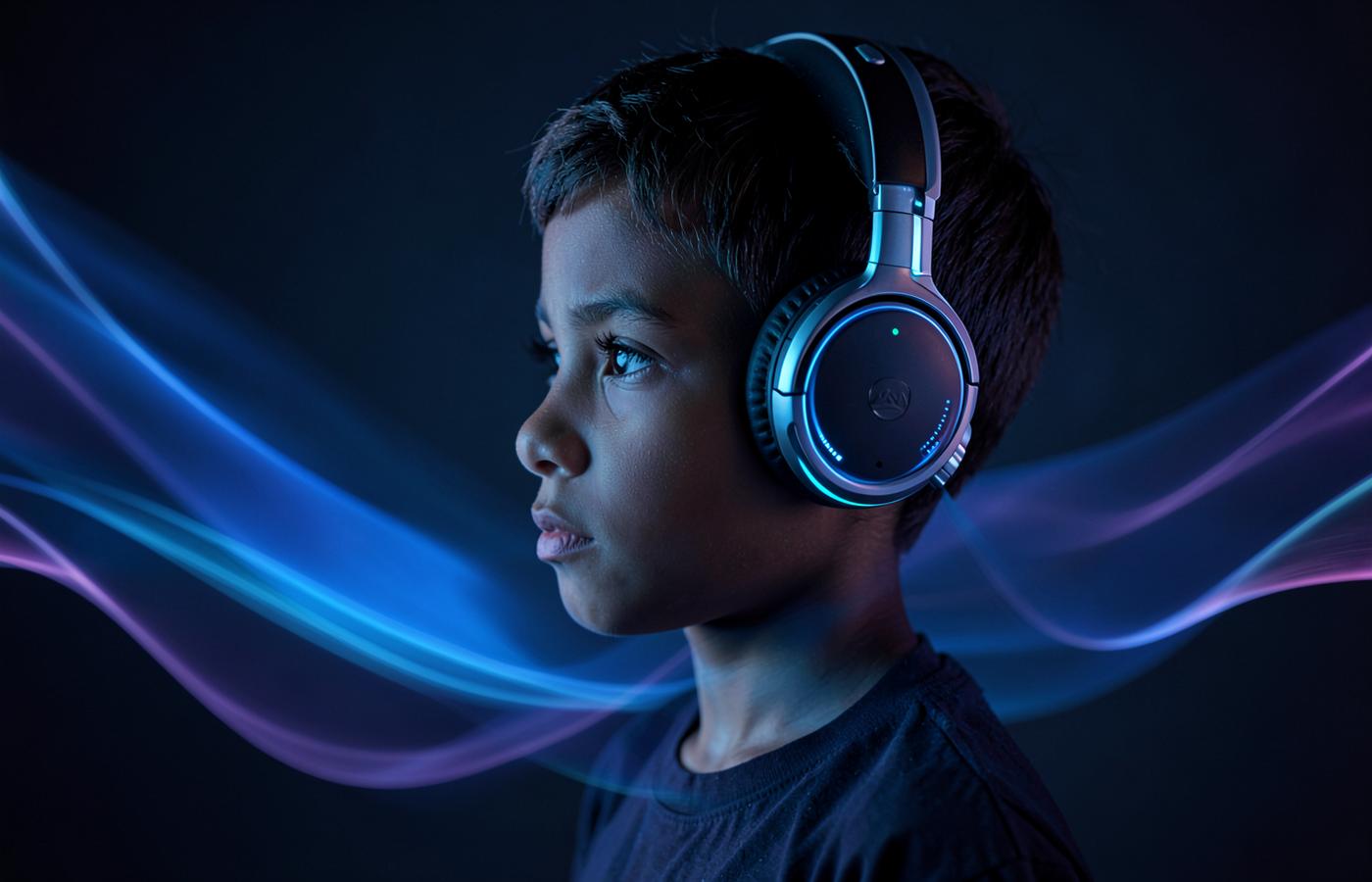
TRYBE Sensory Tech Is Designing Technology Around Different Ways of Experiencing the World
Technology for a more inclusive Africa — built around sound, light, touch and the families who use it every day.
Read Article Sep 8, 2026
AfricaPledge: A Public Promise to Build the Africa We Deserve
The African Citizen's Pledge invites citizens and the diaspora to make a solemn public commitment.
Read Article
What Citizens Are Actually Pledging — and Why It Is Written This Way
Inside the African Citizen's Pledge: the commitments it asks for, the arguments against it, and how it is meant to be used.
Read Article