Provenance: Knowing Where a Material Came From
In collectible design, provenance is not paperwork. It is a substantial part of what the buyer is acquiring.

In collectible design, provenance is not paperwork. It is a substantial part of what the buyer is acquiring. A rare material without a credible origin is a liability — difficult to insure, difficult to export, and difficult to resell to anyone who asks the obvious questions. Buyers of serious objects increasingly do ask them: where the stone was quarried, under what conditions, who cut it, what was done to it afterwards.
INCEPTA works with rare natural materials, which means the question is not academic. The same block can be a remarkable object or an unsellable one depending entirely on what is known about it.
Documentation as part of making
The practical shift is treating the record as part of producing the object rather than an administrative task performed afterwards. That means capturing origin and extraction date at source, photographing the raw material before it is worked, recording every treatment — stabilisation, resin, heat, finish — as it is applied, naming the maker or workshop, and keeping the offcuts and reference samples that allow a later claim to be verified.
Done at the time, this costs very little. Reconstructed two years later, it is usually impossible, and the object carries that gap permanently.
An object that cannot explain itself will not be inherited well.
Ethics and extraction
Natural material carries environmental and labour questions that no certificate fully answers. Certification schemes vary in rigour, and in several categories the paper trail can be purchased. The practical response is structural rather than documentary: fewer suppliers, known personally, visited; direct relationships with quarries and workshops rather than brokers; and a willingness to decline material whose chain cannot be walked backwards.
There is a commercial argument as well as a moral one. A supply chain short enough to inspect is also short enough to control for consistency, and consistency is what allows a studio to promise the same material for a commission a year later.
Treatment, honestly declared
Most rare material is treated in some way, and treatment is not a defect. Concealing it is. Declaring stabilisation, filling or colour enhancement plainly protects the buyer, the studio and the object's future value. The market punishes discovery far more harshly than disclosure.
Value over time
Objects with a complete record hold value and move easily between owners, collections and jurisdictions. Objects without one become difficult to place a generation later, when the people who could vouch for them are gone and only the file remains. Provenance, in that sense, is the part of the work done for the second owner.
INCEPTA
A Nova Capital Holdings group company.
Related news
 Apr 25, 2026
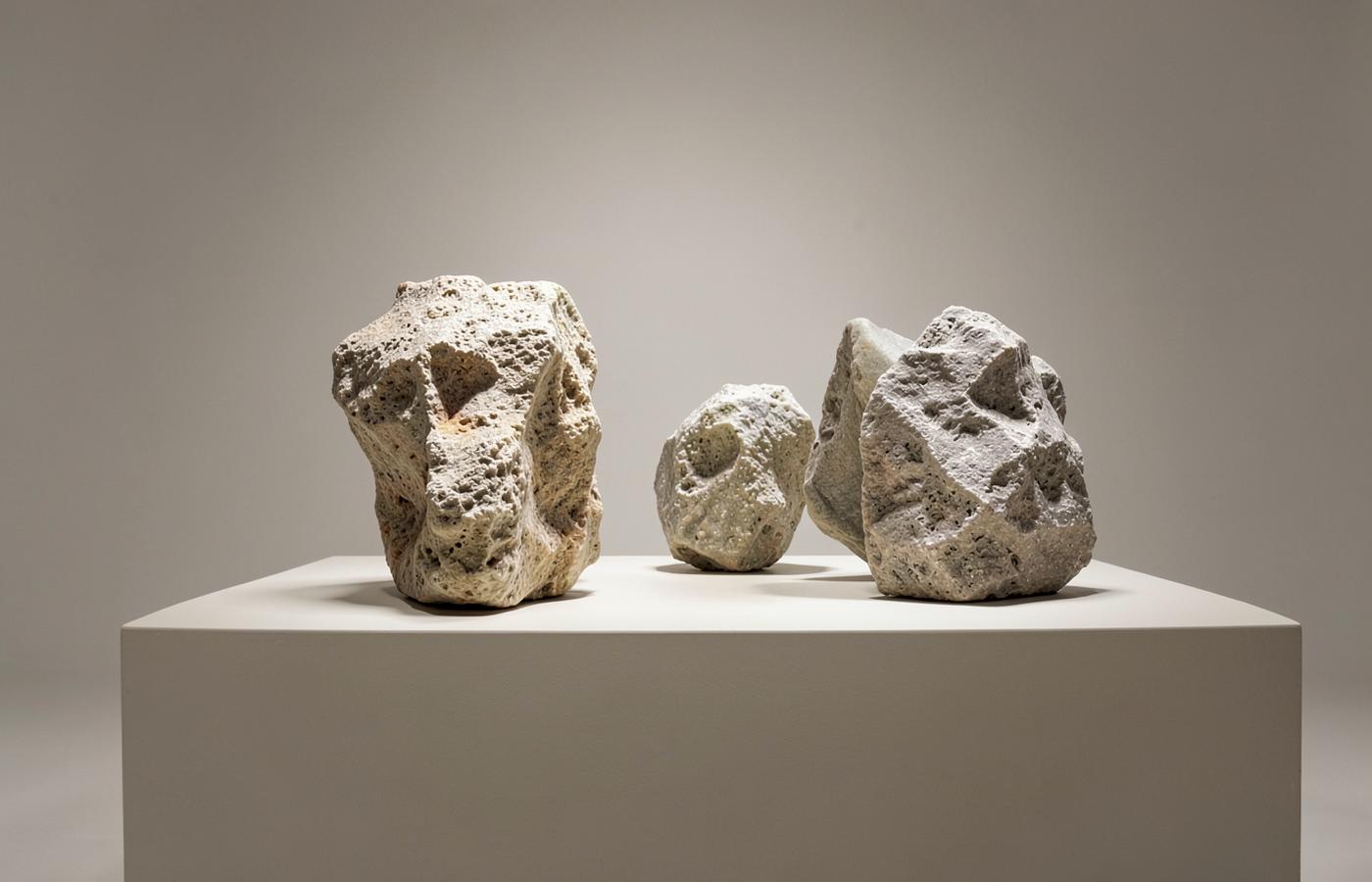
INCEPTA: Rare by Nature
Nature. Art. Legacy. A study in rare materials, sculptural form and the patience of craftsmanship.
Read Article
Design Notes: Why Flinch Is Building Around Material, Not Drops
A production philosophy that prioritises fabric weight, construction and longevity over release frequency.
Read Article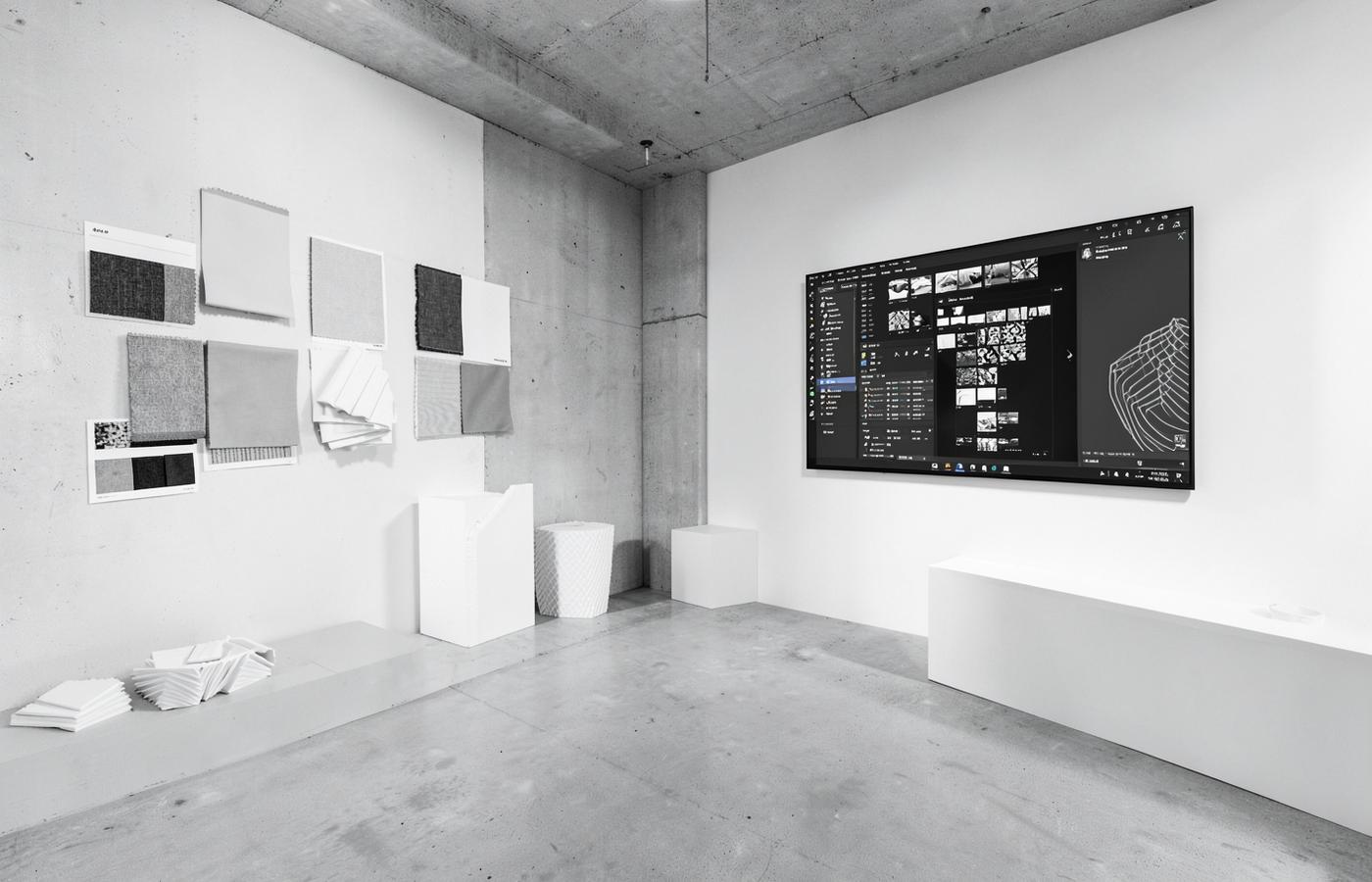 May 30, 2026
KINLAB Builds at the Intersection of Fashion, Design and Technology
Design, fashion and technology at the intersection of African identity.
Read Article