Design Notes: Why Flinch Is Building Around Material, Not Drops
The drop model trained a generation to buy quickly and forget faster. Flinch is testing a slower argument.

Streetwear's release cadence was an innovation once. Scarcity created attention, attention created brands, and for roughly fifteen years the calendar did the marketing. It also produced enormous volumes of clothing engineered to be desirable for six weeks and disposable in twelve months.
Flinch is building against that calendar. The label's development work starts with the cloth and the construction, and the release schedule is whatever falls out of getting those right. It is a slower argument, and it changes almost every decision behind the garment.
What speed costs upstream
A fast cadence compresses the part of the process nobody sees. Fabric is specified by price and availability rather than weight and hand. Seams are simplified because a factory has three weeks instead of three months. Fit is approved from a single sample rather than corrected across several. The customer meets all of those compromises at once, usually after the tenth wash, when the shoulder seam twists and the black has gone grey.
Quality is the only marketing that keeps working after the purchase.
The Flinch method
Fewer styles, developed longer. Heavier base cloth chosen for how it behaves after repeated washing rather than how it photographs new. Reinforcement at the points that actually fail — shoulder, crotch, pocket bag, cuff. Colour tested for fade rather than approved on a screen. Sizing graded on real bodies, including the proportions that standard European blocks handle badly.
Each style is expected to stay in the range. A piece that works is re-cut and improved rather than retired to make room for novelty, which means a customer can replace something they have worn out with the same thing, only better.
What it asks of manufacturing
Slower cadence changes what a production partner needs to be good at. Turnaround stops being the main criterion and consistency takes its place: the same weight, the same shade, the same stitch density across a run and across a year. That shift is what makes continental manufacturing genuinely viable for a brand at this level, because the constraint moves from speed — where distant high-volume factories win — to skill and supervision, where proximity wins.
It also changes the economics. Longer development amortised over a longer commercial life is cheaper per garment sold than short-life product replaced four times a year, provided the brand has the patience to wait for the second and third purchase.
The commercial bet
The wager is straightforward: a customer still wearing a piece three years on buys the next one without persuasion, tells other people, and costs the brand almost nothing to reach. Drops buy attention; longevity buys a customer. Flinch is building for the second.
This is an editorial perspective on the label's design strategy rather than an announcement of production plans.
FLINCH
A Nova Capital Holdings group company.
Related news
 Sep 1, 2026
Flinch Introduces a New African Streetwear Language
A new era of culture, movement and African creativity — designed for travel and read anywhere in the world.
Read Article May 30, 2026
KINLAB Builds at the Intersection of Fashion, Design and Technology
Design, fashion and technology at the intersection of African identity.
Read Article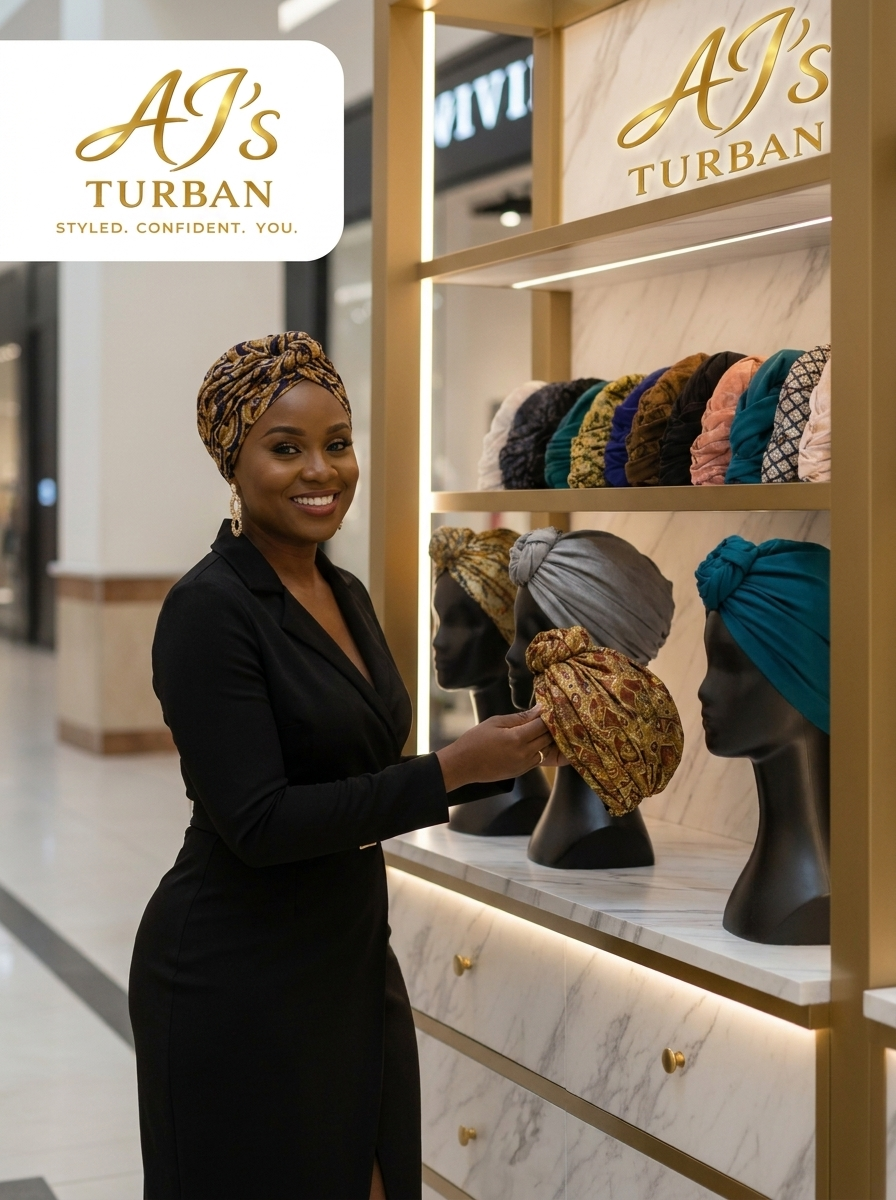
AJ's Turbans Builds a Retail Presence Around Confidence
Styled. Confident. You. — headwear designed as everyday self-expression, not as a special-occasion purchase.
Read Article