Flinch Introduces a New African Streetwear Language
Flinch approaches streetwear as a language rather than a category — a way of carrying identity across borders, terminals and time zones.

Streetwear has always been a form of speech. It signals where a person comes from, what they listen to, and how they intend to move through a room. Flinch, part of the Nova Capital Holdings group, is building a label that treats that grammar seriously — and writes it from an African point of view.
The brand's working premise is simple. The contemporary African consumer is mobile, culturally fluent and globally referenced. They are as comfortable in Nairobi as in London or Dubai, and they expect clothing that reads correctly in all of those places without explaining itself.
Designed for movement
Flinch's core pieces are built around travel. Heavyweight fleece with a soft hand. Relaxed volumes cut to sit well after eleven hours in a seat. Neutral tonal palettes — bone, chalk, ash, charcoal — that photograph cleanly and hide the wear of transit.
The result is a wardrobe designed for the airport as much as the street: a place that has quietly become one of the most watched style stages in the world, where personal presentation happens under fluorescent light and without preparation.
Clothing should not need a translator. It should arrive already understood.
An African design vocabulary without costume
One of the brand's stated design disciplines is restraint. Flinch avoids the shortcut of literal pattern-as-heritage. Instead, African reference enters through proportion, through script and typographic play, through colour relationships drawn from landscape and city rather than from a souvenir shelf.
Graphic work uses layered type and multilingual marks — a nod to the reality that young African consumers move between languages inside a single sentence. The intention is not exoticism. It is accuracy.
Materials and making
The product roadmap prioritises material quality over drop frequency. Fewer pieces, better construction, longer life cycles. The team's position is that durability is itself a cultural argument: garments that survive years of wear become carriers of memory rather than disposable signals.
Where possible, Flinch is developing manufacturing relationships that can scale within the continent, and treating that supply-chain work as part of the design brief rather than a back-office concern.
Culture as the distribution channel
Flinch's audience is reached through the culture it already participates in — music, sport, photography, film and the informal networks of taste that move faster than advertising. The brand's editorial output is built to sit alongside those communities rather than interrupt them.
That approach also shapes how the team measures progress. Rather than chasing volume, Flinch tracks whether the work is being adopted by people whose style choices carry weight with others.
Where it sits in the group
Within Nova Capital Holdings, Flinch sits alongside other consumer, design and media businesses. The group's role is patient: capital, operating support and the time required for a brand to establish a point of view before it is asked to scale.
Flinch's longer ambition is straightforward. Build an African streetwear house with the design discipline, material standard and cultural authority to be read as global by default — not as a regional exception.
FLINCH
A Nova Capital Holdings group company.
Related news

Design Notes: Why Flinch Is Building Around Material, Not Drops
A production philosophy that prioritises fabric weight, construction and longevity over release frequency.
Read Article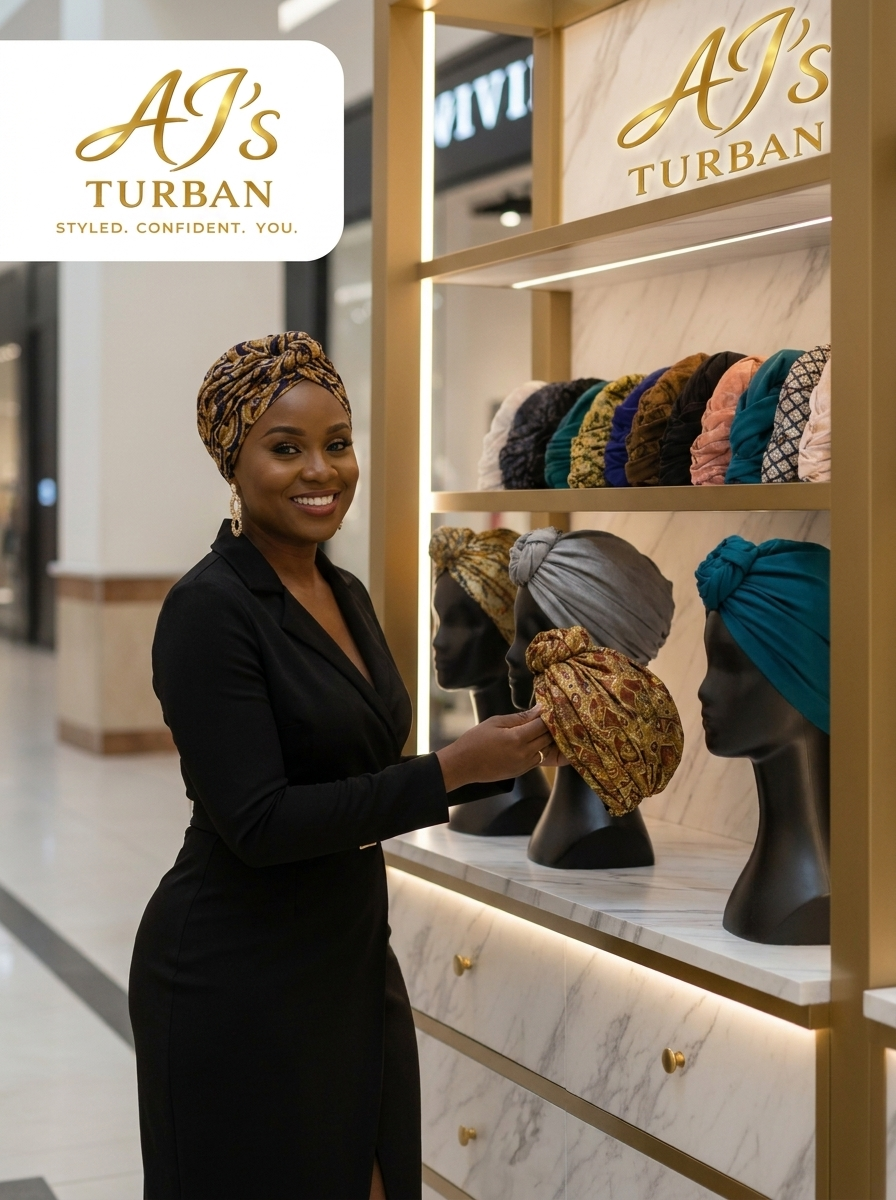
AJ's Turbans Builds a Retail Presence Around Confidence
Styled. Confident. You. — headwear designed as everyday self-expression, not as a special-occasion purchase.
Read Article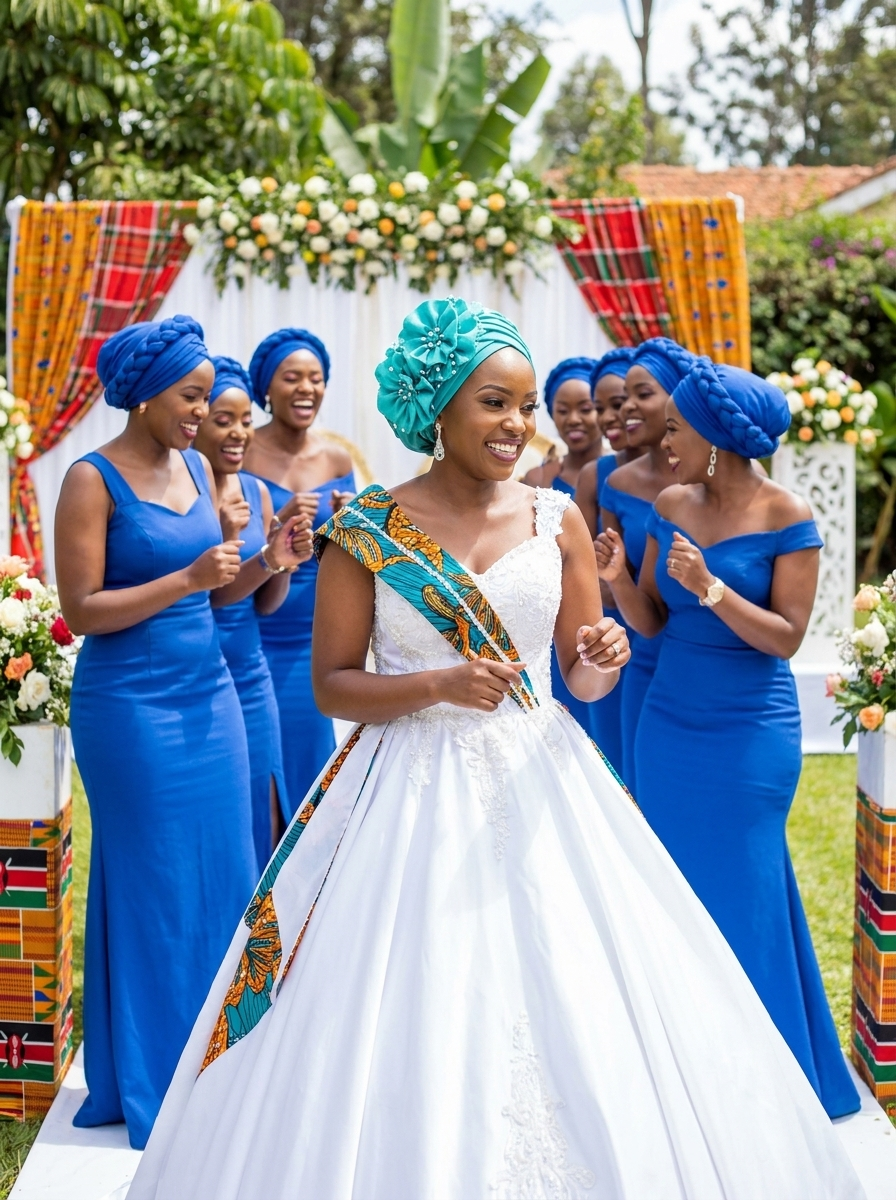
Places: The Economics of Occasion Dressing in East Africa
Weddings and ceremonies drive a significant share of the region's fashion and craft economy.
Read Article