Places: The Economics of Occasion Dressing in East Africa
Ceremony is one of the most reliable sources of demand in African fashion — and one of the least served by formal retail.
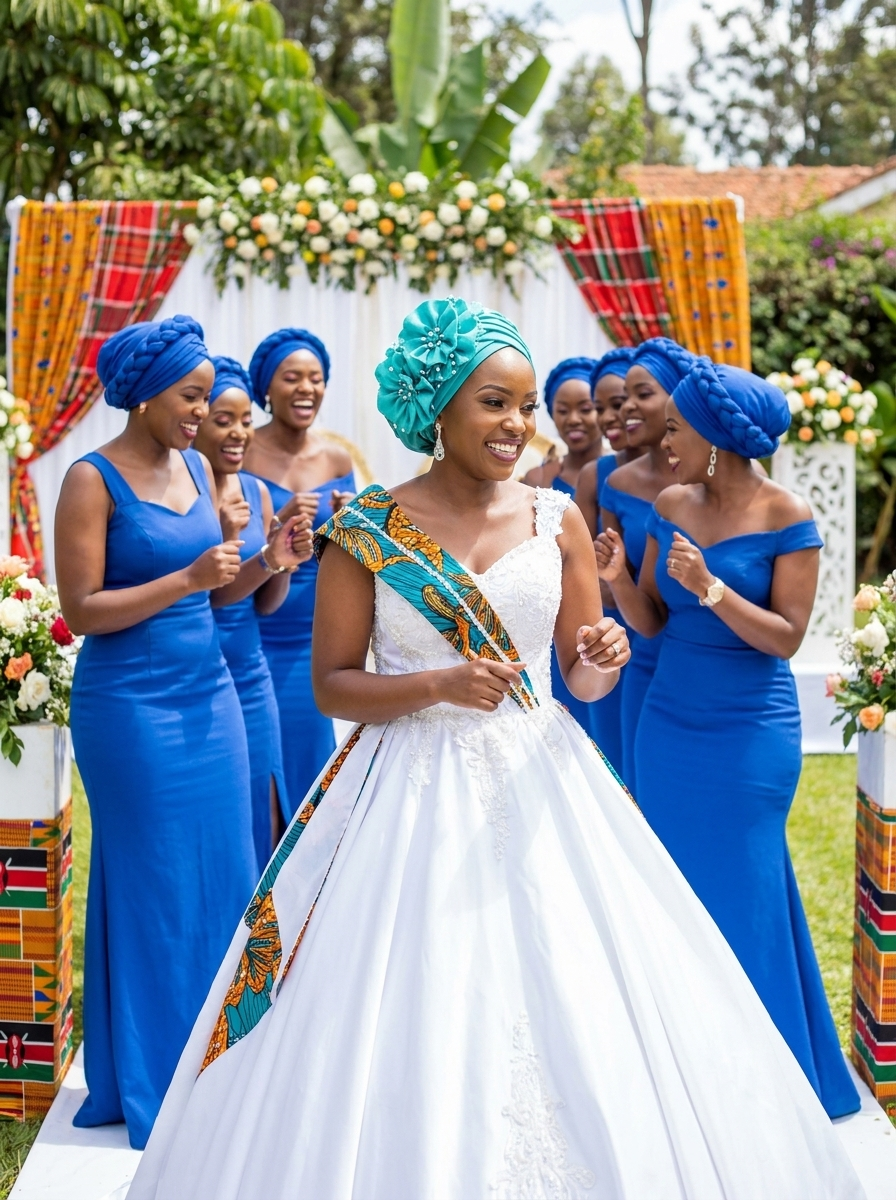
Ceremony is one of the most reliable sources of demand in African fashion and one of the least served by formal retail. A single wedding can commission dozens of coordinated garments across two or three events — the ruracio or equivalent traditional ceremony, the church or mosque service, the reception — plus headwear, beadwork, printed textile for families and gifts for guests. Funerals, graduations, harambees and church anniversaries add a steady base of demand that does not depend on the season or the economy in the way that everyday retail does.
Almost all of that work is delivered by small ateliers and individual tailors operating without capital, forecasting or distribution.
How the money actually moves
The economics are unusual and they are the source of most of the difficulty. A client commissions late, often four to six weeks before the date. Deposits are partial. Fabric must be bought up front, frequently imported, and paid for in cash. Sizes change between fitting and event. Final payment arrives after delivery, sometimes well after, and the maker has no recourse. A single large commission can therefore be both the best month of a tailor's year and the reason they cannot take the next one.
Demand is also intensely seasonal — December and the mid-year window absorb a disproportionate share of weddings — which concentrates capacity pressure into a few weeks and leaves workshops underused for the rest of the year.
The demand is already there. The infrastructure is what is missing.
Where the value sits
Craft skill is abundant across the region: pattern cutting, hand beading, embroidery, weaving and the specific knowledge of how ceremonial garments should sit. What is scarce is everything around it — working capital for fabric, consistent quality across a group order, reliable delivery dates, standard sizing, and payment terms that do not put all the risk on the maker. Those are business problems, not design problems, and they are solvable with fairly modest operational support.
The clearest opportunities are practical: fabric financing against a confirmed commission, shared cutting and finishing capacity between small workshops, standardised measurement and pattern grading so a group order can be split across makers without visible variation, and simple fulfilment for diaspora clients ordering from abroad — a customer base that pays reliably and is currently served almost entirely through informal WhatsApp arrangements.
Why the group pays attention
Occasion dressing sits alongside the group's existing interests in fashion, design and consumer products, and it has the characteristics that hold up over time: real demand, genuine craft, high customer stakes and weak infrastructure. It is also a category where a small amount of the right support materially changes a maker's income rather than merely their volume.
Culture first
Any commercial approach here has to respect what the garments mean. A ruracio outfit is not a product category; it is part of a family's record of itself. Ceremony is not a trend cycle, the colours and forms are not free to reinterpret for a lookbook, and businesses built as though they were do not last a second season. The right posture is to strengthen the makers already trusted with this work, not to replace them.
Nova Capital Holdings
A Nova Capital Holdings group company.
Related news
 Sep 1, 2026
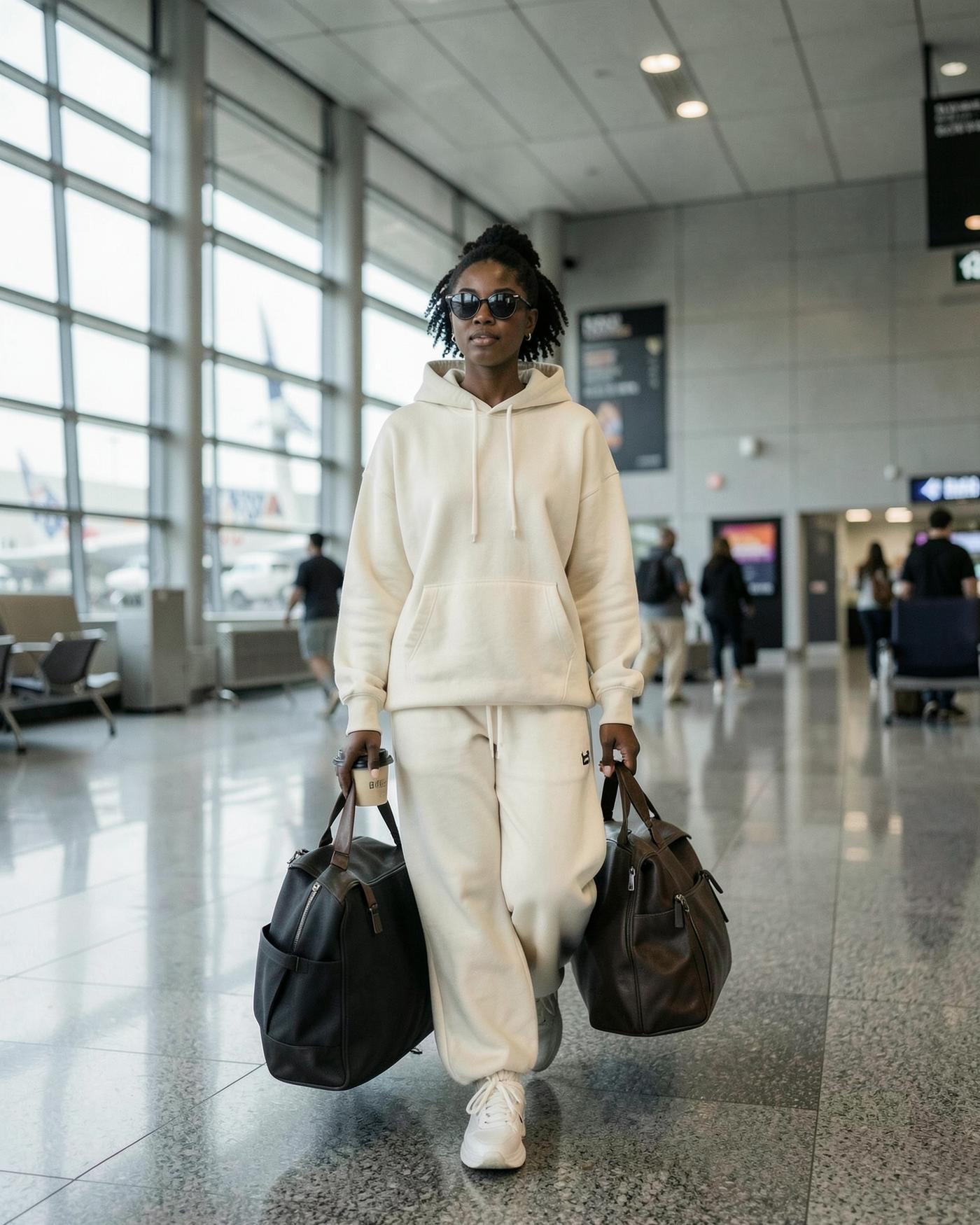
Flinch Introduces a New African Streetwear Language
A new era of culture, movement and African creativity — designed for travel and read anywhere in the world.
Read Article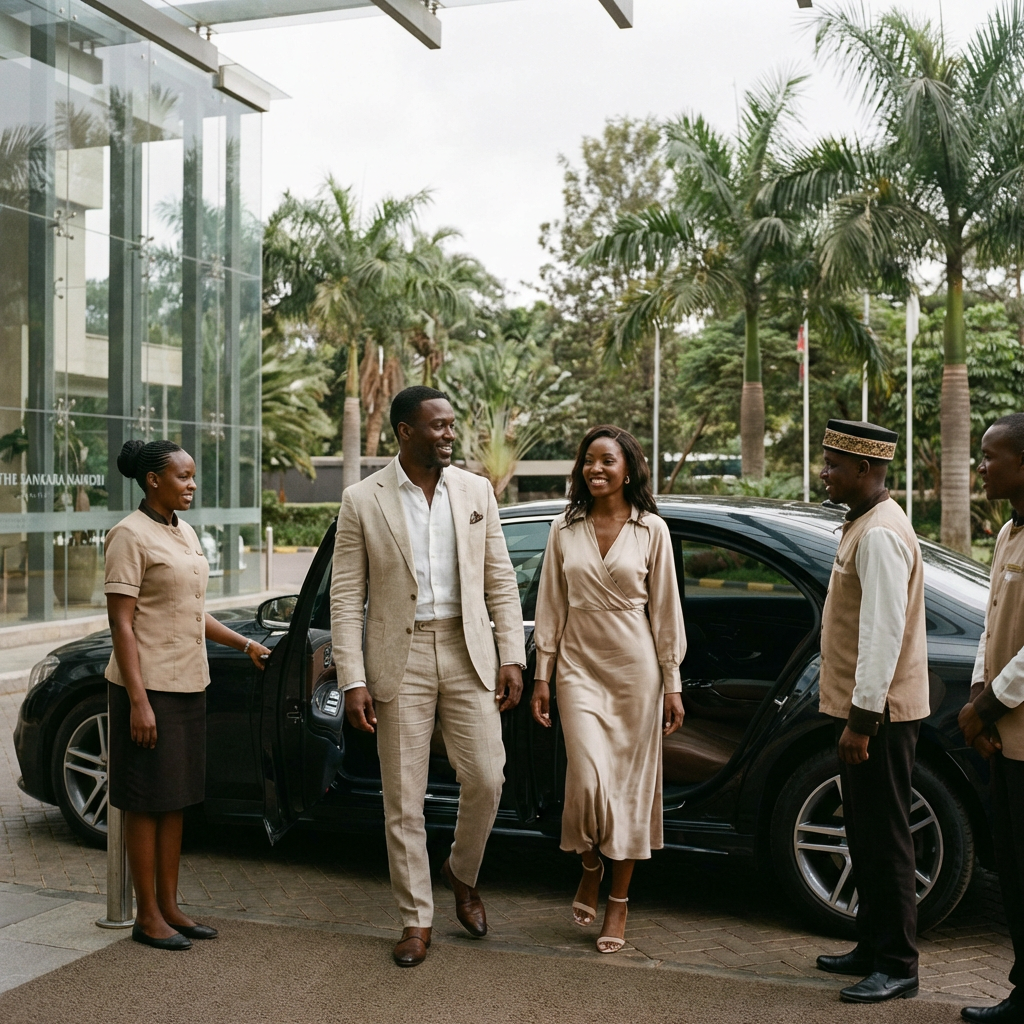 Sep 10, 2026
Building People, Places and Possibilities
Capital for a more human tomorrow™ — how Nova Capital Holdings thinks about operating across sectors.
Read Article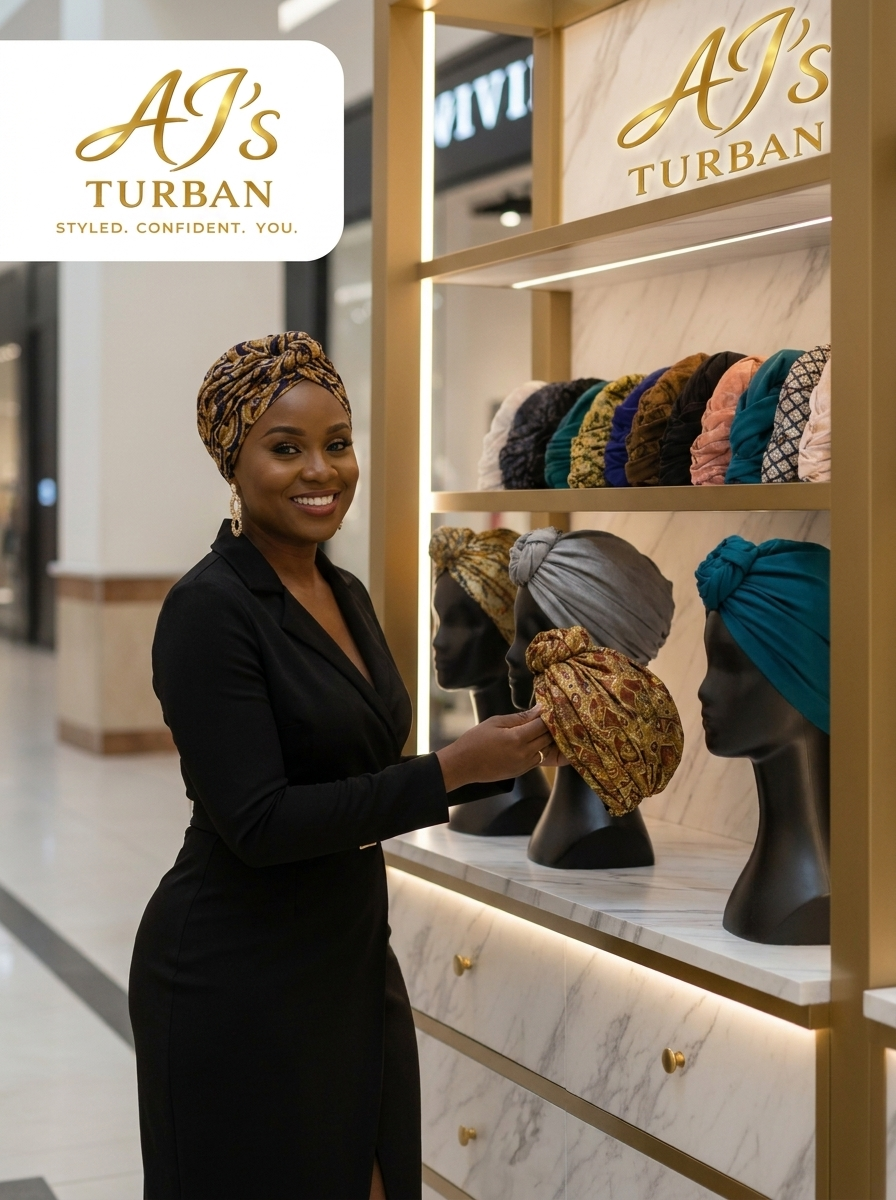
AJ's Turbans Builds a Retail Presence Around Confidence
Styled. Confident. You. — headwear designed as everyday self-expression, not as a special-occasion purchase.
Read Article