Verified: How Interned Checks an Internship Before a Student Applies
A placement platform lives or dies on trust. Interned's check mark is a promise about process: that the role is real, the terms are stated, and an answer will come.
Ask students across African universities about applying for internships and the complaints are remarkably consistent. Listings that lead nowhere. Roles that turn out to be unpaid after three rounds of interviews. Positions that were filled internally weeks before the advert appeared. Requests for a fee. And, most often, silence — applications sent into nothing, with no decline, no feedback and no way to know whether a human ever opened them.
Interned's verification process exists to remove those experiences from the platform. The mark that appears beside a listing is not decoration; it stands for a set of checks completed before a student is allowed to spend effort on an application.
What is verified
An employer is confirmed as a real, registered entity with a traceable presence and a named person accountable for the placement. The role itself is checked for the things that determine whether an internship is worth taking: duration, start date, working pattern, whether it is paid and at what rate, whether transport or stipend support exists, who will supervise the intern day to day, and what the student should expect to learn.
Anything a student would otherwise discover late is required up front. A role that cannot state its terms plainly does not get listed.
The check is a promise about process, not a prediction of outcome.
Every application gets an answer
The second half of the promise is the response. Employers on the platform commit to resolving every application within a defined window, including declines. Interned holds them to it, and an employer who stops responding loses standing on the platform.
Silence is the single most corrosive part of the current experience. It teaches capable students that the process is arbitrary, and it costs employers candidates who will not apply twice.
Protecting students from the obvious harms
No listing may charge a fee of any kind to a student. Unpaid roles must be labelled unmistakably rather than described as offering exposure. Personal contact details are not exposed to employers until a student chooses to share them. Reports from students are reviewed, and a pattern of complaints removes an employer regardless of how well known they are.
Why a check became the mark
The brand was drawn around this idea rather than the other way round. A rounded letterform with a check cut into its shoulder says what the product does — verified, matched, answered — before any copy is read, and it works at the size of an app icon on a low-end phone, which is where most students will meet it.
Verification is a cost, deliberately
Checking employers by hand is slower than accepting listings automatically, and it caps how quickly the platform can grow. That trade is intentional. A placement platform that fills with unverified roles becomes another job board, and students stop believing anything on it within a term.
Interned
A Nova Capital Holdings group company.
Related news
 Sep 12, 2026
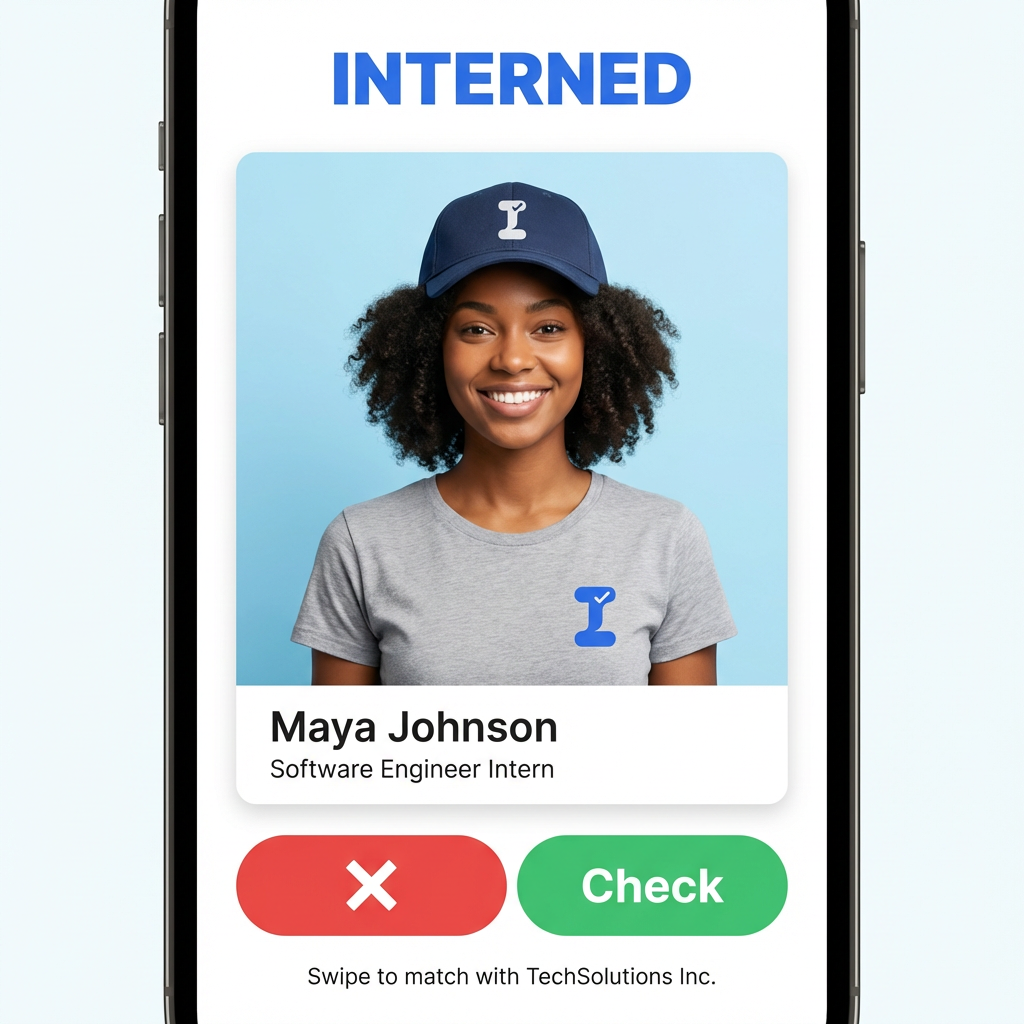
Interned Is Building the Route From Campus to First Job in Africa
A placement platform matching college students across the continent with real internship opportunities.
Read Article Sep 11, 2026
ShadowTeachers.io Is Building Support Around Every Learner Who Needs It
A special education needs service connecting schools and families with trained shadow teachers.
Read Article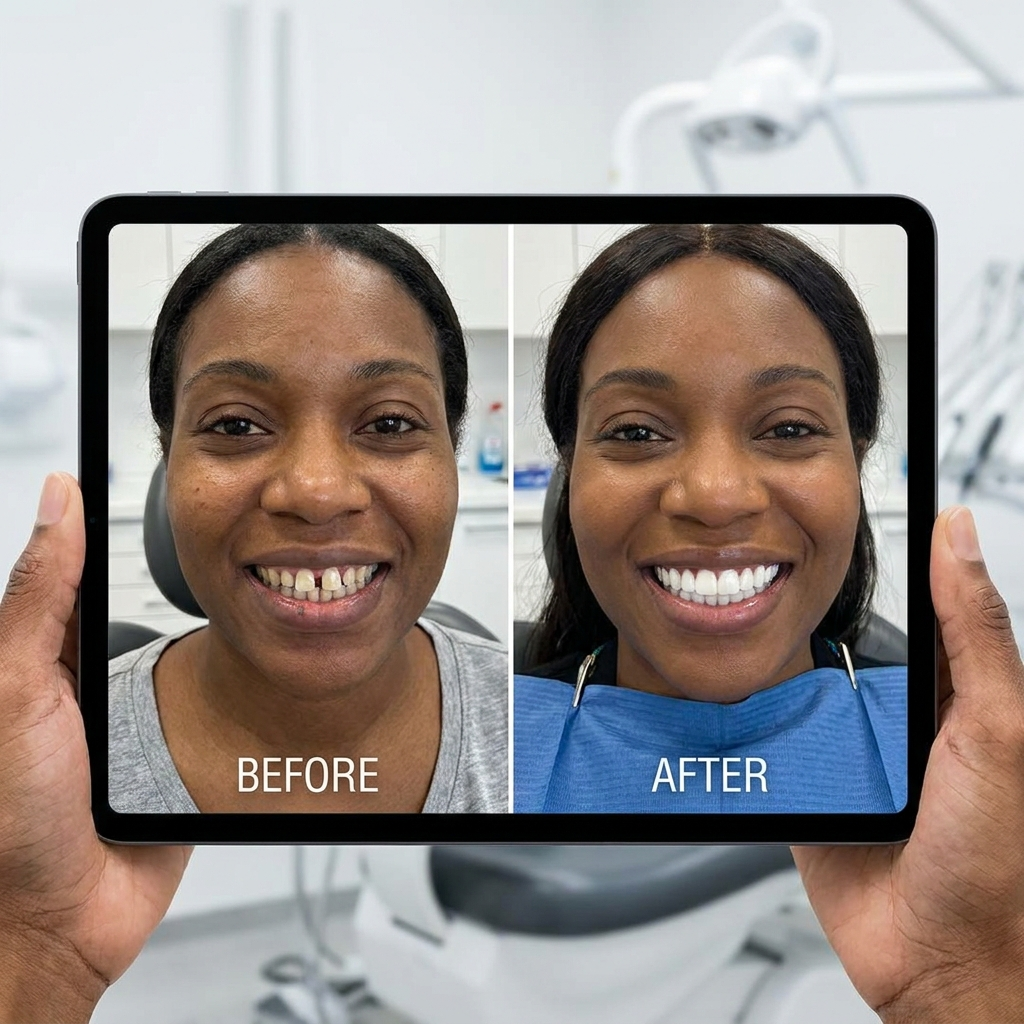 Sep 7, 2026
Smile Review A.I Brings Clear Aligner Planning Into the Clinic Chair
Using A.I. to plan, preview and monitor orthodontic treatment — so patients can see the outcome before they commit.
Read Article